

A child’s education does not end at the school gate. The steadiest progress appears when families and educators move in the same direction: shared language about discipline, a shared view of mistakes, and clear communication. This article explores parent–school partnership in a Froebel spirit, with links to the educator’s role from observation to guidance, children’s emotional intelligence, and our guide to choosing a quality school.
Why partnership beats one-way reports
A grade report once a month offers a narrow picture. Children change weekly: a new interest, a peer conflict, or a language leap. A living partnership exchanges short observations regularly, so home and classroom adjust support before problems grow. Parents bring knowledge of home rhythm; teachers bring patterns visible in the group. The two views complete each other.
Froebel treats families as partners, not spectators. Children read adult consistency. If school says mistakes are learning data, but home punishes every failure, children receive a double message and hesitate. Aligned messages are the greatest gift of partnership—more valuable than glossy facilities.

Three partnership habits to start this month
Exchange observations, not only complaints. Agree on a short format: two things going well and one thing to watch. The format keeps conversation balanced and lowers blame. Use a weekly note, a structured message, or a fifteen-minute meeting.
Shared language for feelings and limits. Align words: “disappointed,” “quiet rest,” “try again.” When children hear the same terms in both places, self-regulation forms faster. Also discuss reasonable consequences so home and class do not surprise each other.
Clear roles when a child struggles. Decide who observes first, when the family is contacted, and what support is tried before conclusions. Clarity calms parents and protects children from rushed labels. Educators trained in observation bring small evidence—not vague impressions.
What parents may expect from school
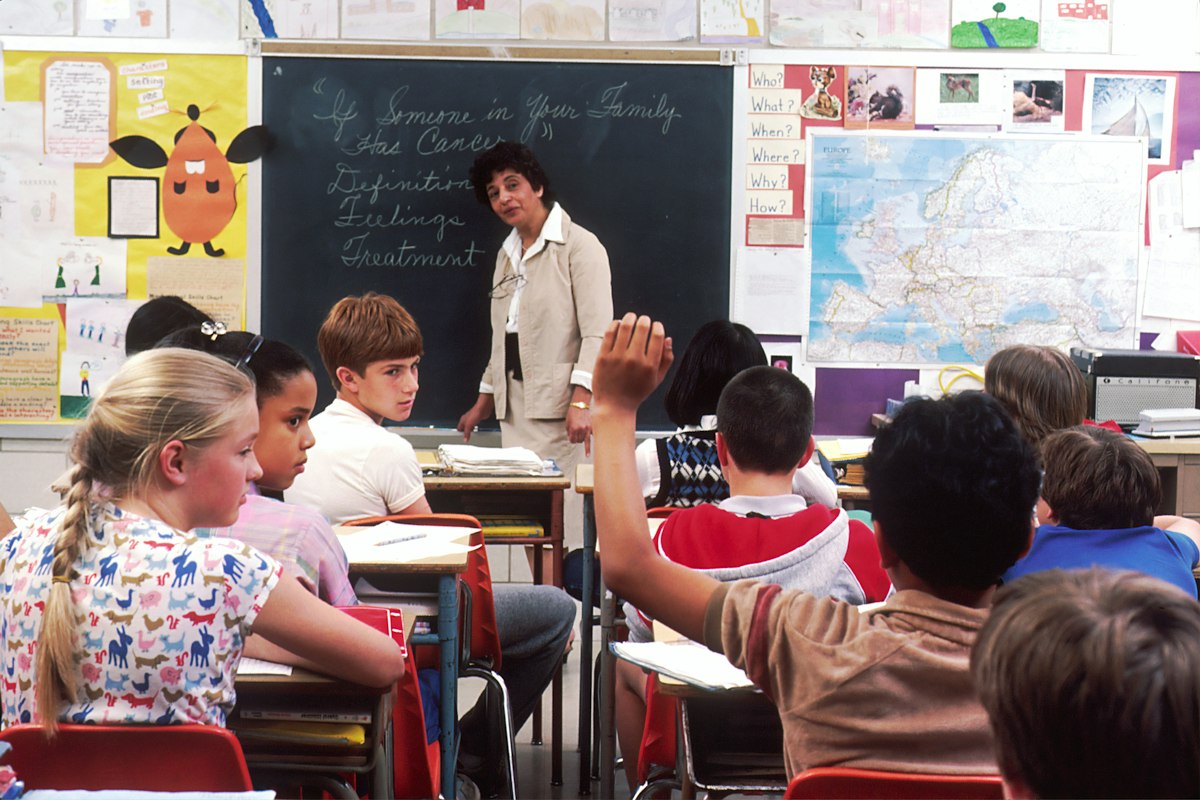
A school serious about partnership explains the purpose of activities, not only the timetable. It invites families into learning moments—process exhibitions, gardens, or reading mornings—not only ceremonial events. It also protects confidentiality and speaks about children with respect, including when behavior is hard.
Parents may ask about supervision ratios, how conflict is handled, and how progress is communicated. Concrete answers signal a professional culture. If answers are only slogans, dig deeper before enrolling. Healthy partnership starts with honesty at the first visit.
What school may expect from families
Families help by arriving on time for important agreements, reading short notes, and continuing learning rhythm at home in a realistic way. Home does not need to become a tutoring center. One weekly activity aligned with the class focus is enough: patterns, stories, or plant care. Small consistency beats a grand plan quickly abandoned.
Share home changes that affect a child’s emotions: a move, illness, or a family stress relevant to safety. That information helps educators interpret behavior fairly. Partnership needs trust in both directions, including agreed privacy limits.
Handling tension without damaging the relationship
Disagreement will appear. Begin from the child’s interest, not from proving who is right. Ask for specific examples, propose a two-week trial, then review together. Avoid criticizing teachers in front of the child, and avoid gossip about families in the staff room. Children copy how adults resolve conflict.
If tension repeats, use a meeting with a third person at school—a coordinator or principal—so the talk stays structured. The goal is not winning a debate, but a support plan people can actually run. At Institut Froebel, we treat this dialogue as part of educational quality, not an administrative interruption.
Start with one realistic agreement, such as a short Friday note. After a month, review whether communication feels clearer and whether the child hears the same message at home and in class. A good partnership is measured by the child’s calm, not by the number of meetings.
Start with one realistic agreement, such as a short Friday note. After a month, review whether communication feels clearer and whether the child hears the same message at home and in class. A good partnership is measured by the child’s calm, not by the number of meetings. If a note is missed, repair the rhythm without blame.
Include the child proportionally. At a suitable age, ask what helps them learn and what feels hard. The child’s voice makes the plan more accurate. Adults still hold safety and limits, but the child learns that their view matters. That is a three-way partnership: home, school, and the child at the center of growth.
Conclusion
Parent–school partnership grows children who receive one message: learning is safe, mistakes can be repaired, and adults work together. With shared observation, aligned emotion language, and clear roles, home and classroom become one ecosystem. That is the partnership we keep at Institut Froebel—warm, firm, and on the side of the child’s growth.