

The move from early childhood education into primary school is a change of role, not a sudden test of maturity. A child who yesterday learned through play and short routines now meets bells, new classmates, and longer academic expectations. This article helps families support that move without treating early reading drills as the only ticket in. Related reading: how to choose a quality school, early literacy without pressure, and children’s emotional intelligence.
What actually changes
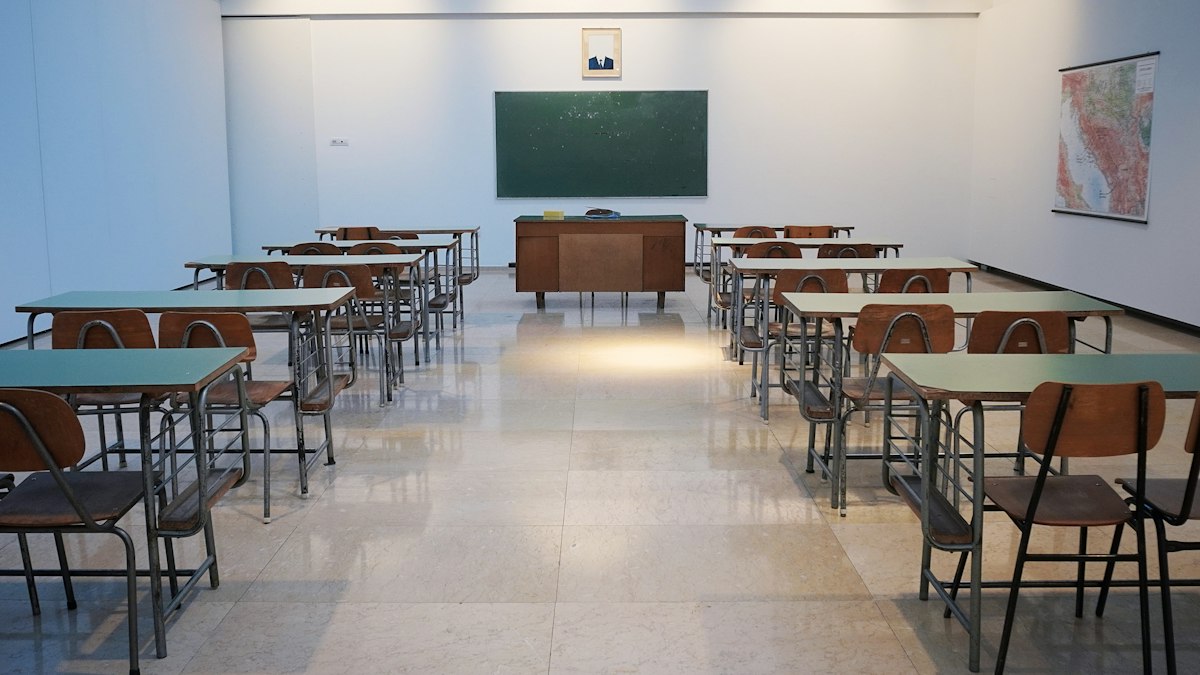
In early childhood settings the day is often shorter, the group smaller, and the teacher physically close. In the first primary years the day is longer, the rules multiply, and the child is expected to wait in a larger group. That shift is normal. What is not normal is demanding a “perfectly ready” child before day one, as if transition were a gap to jump rather than a bridge to cross together.
Indonesian education policy has encouraged a joyful transition. The point is that a child should not absorb too many adjustments at once, and foundation skills—independence, language, curiosity—matter more than a reading test as the sole entry gate. A school that still uses early literacy drills as the only door deserves a harder question, because that practice cuts against a continuous path through about age eight.
Three foundations more useful than fast memorizing
Routine independence. A child who can put on shoes, say they need the toilet, and put a bag away already carries real capital. Practice at home for a few months, without a parade of commands. One steady habit beats ten Sunday-night drills.
Language for feelings and stories. Early primary years ask children to explain, wait, and make friends. Words such as “annoyed,” “confused,” and “may I join” help more in week one than spelling a long word. Literacy still matters, but it grows better when a child is not afraid of mistakes in front of new peers.
Social stamina. Morning separation, turns with toys, and a teacher who is not the only adult are practice. Tears on day one are adaptation data, not proof of failure. Watch the direction: do the tears shorten, and can the child settle and return to the activity?
Eight weeks before the first day
Visit during an ordinary hour, not only a polished open house. Notice how teachers greet a slow child, how activities transition, and whether a quiet corner exists. Tell your child what will be the same and what will differ. Use concrete lines: “There is a bell,” “Break is together,” “Bags go on the shelf.”
Shift sleep and breakfast toward school time gradually. Avoid a shock rhythm on the first Monday. Pack clothes and the bag with the child so the objects feel like theirs. If there is a specific need—allergy, sensory load, or separation anxiety—tell the school before day one, not after a crisis.

What not to do
Do not frighten a child with “in primary school nobody will help you.” That teaches loneliness, not independence. Do not compare them with a cousin who “already reads fluently.” Comparison makes children measure themselves against others just when a new identity is fragile. If extra lessons are chosen, keep them short and leave room for play. Exhaustion before school makes transition worse.
Schools should not pile long homework in month one just to look serious. Early weeks are for safety, names, and rhythm. Academics do not disappear; they rise after the child knows whom to ask. A Froebel view sees continuity: kindergarten and the first primary years are one path, not two worlds that cut each other off.
Home and school in the first month
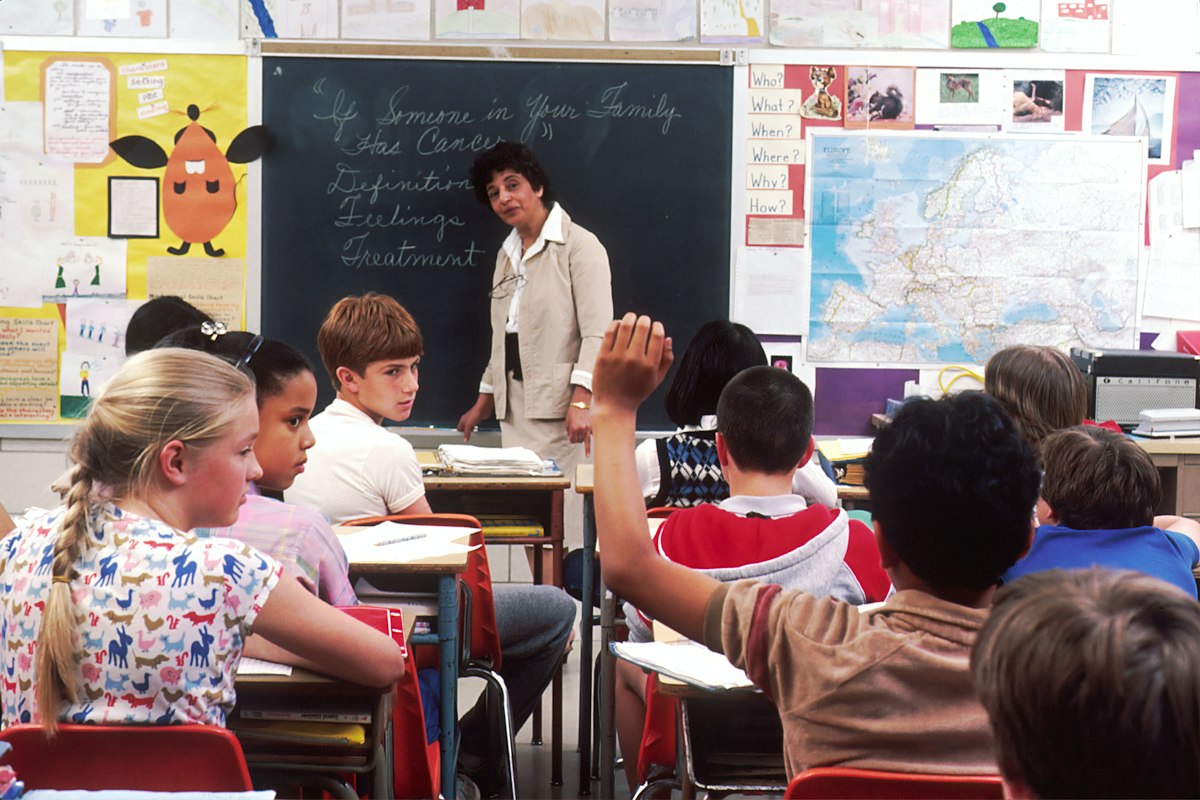
Agree on one short news channel: what went well and one thing to watch. Parents do not need a novel every day, but total silence grows anxiety. Ask the child “what was good” before “can you do it yet.” That order keeps the talk safe.
If adaptation still feels heavy after a few weeks—refusal to go, repeated stomach aches, or withdrawal from peers—speak with the teacher early. Many cases ease when the goodbye routine is clearer and the task load drops for a while. A few families need extra support; asking is not a parenting failure.
Also mark small wins in week one: the child enters the room, names one friend, or retells one activity without repeated prompting. Those notes help parents see the direction of adaptation, not only the hard moment at the gate. When school and home share language for “try again” and “a short rest,” the child does not have to translate two worlds at once.
Conclusion
The early-years to primary transition works when a child does not have to become someone else overnight. Routine independence, emotion language, and social stamina matter more in week one than spelling speed. Institut Froebel treats the move as a continuation of the learning garden, not as a test that sorts children into “ready” and “not yet worthy.”