
Behind every calm yet lively classroom stands an educator who observes more than they instruct. In the Froebel approach, the teacher is not merely a content deliverer, but a guide who reads children’s interests, prepares the environment, and offers challenge at the right moment. This article explains that practice in concrete terms and how it connects with the Froebel foundation at Institut Froebel.
The teacher as an attentive observer
Observation is a core skill. Educators notice what children choose repeatedly, how they meet obstacles, and with whom they collaborate most easily. Notes are not for labeling, but for designing the next step. A child who builds towers often may be ready for balance and measurement challenges. A child who invents small dramas may be ready to expand emotional vocabulary and story structure.
Good observation requires undistracted presence. Phones are put away, questions stay open, and conclusions wait until patterns are clear. At Institut Froebel, process documentation—photos, conversation snippets, or anecdotal notes—is shared with families so home–school partnership rests on evidence, not assumption.

Preparing the environment as the “third teacher”
Besides the child and the adult, the environment educates. Low shelves, reachable materials, a quiet corner, and enough movement space communicate: “You can choose and take responsibility.” A chaotic room overwhelms; an overly rigid room kills initiative. Froebel educators protect that balance each morning before children arrive.
Natural materials—leaves, wood, water, soil—often appear because they invite sensory exploration and respect for living things. When children pour water, weigh stones, or arrange twigs, they practice early science without worksheets. Educators expand language—“fuller,” “lighter,” “more stable”—so abstract concepts grow from concrete experience.
From observation to guidance: timing matters
A common adult mistake is helping too quickly or correcting too fast. Froebel guidance waits for the moment when a child is nearly successful but needs a little support—often called scaffolding. One precise question (“What happens if you place this block in the center?”) can outperform ten instructions.
Guidance also includes emotional regulation. A child frustrated by a fallen tower needs company in naming the feeling, breathing, and replanning. This is not “soft learning” that weakens academics; it is the prerequisite for academics to happen. Children who can regulate emotion persist longer with harder tasks later on.
Partnership with families as part of the educator’s role
Froebel educators do not work alone. They translate classroom observation into language useful for parents: not only “active child,” but “shows strong interest in patterns and needs a new building challenge with fresh rules.” Such reports help families continue learning at home without turning home into a tutoring center.
For parents choosing a school, educator quality often matters more than glossy facilities. Ask about teacher training, supervision ratios, and how conflict is handled. A fuller question set is available in our guide on how to choose a quality school.
What daily practice looks like
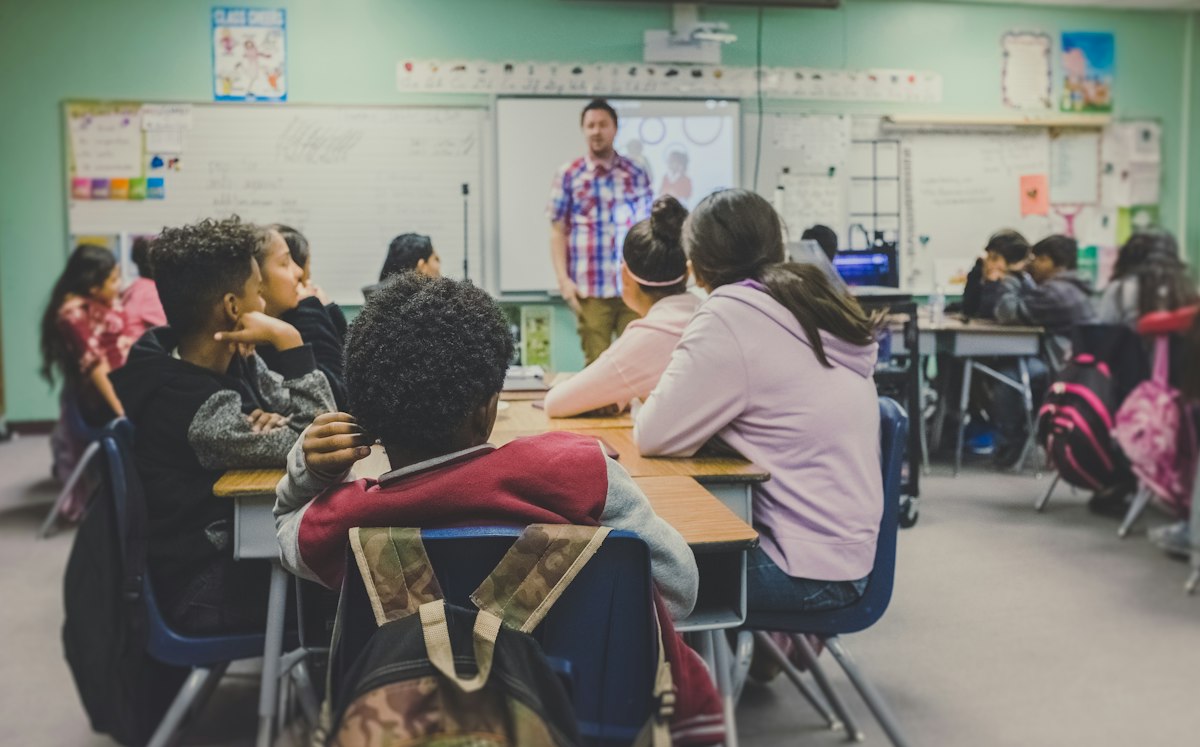
In many conventional rooms, the day begins with uniform instruction. In a Froebel-inspired room, the day begins by welcoming each child as an individual, then inviting them into community rhythm: greeting, choice of activity, brief reflection. Assessment is ongoing through observation, not only narrow end tests. Academic outcomes still matter, but they grow on safety and a sense of capability.
Educators also uphold professional ethics: confidentiality of child records, respectful family communication, and a commitment to inclusion. Every child—with different temperament and needs—deserves room to grow without stigma. That is the human face of education we stand for.
Quality educator signals parents can observe
On school visits, watch how teachers speak to a child who is struggling. Does the tone stay calm? Is the child given thinking time before an adult takes over the answer? A quality educator can also explain the purpose behind an activity without heavy jargon. They know children’s names, interests, and small progress that a brief report card may miss.
Also notice teamwork among educators. Healthy classrooms usually have smooth transitions, clear visual communication, and fair role-sharing. If one teacher looks overwhelmed alone without support, ratios or team culture may need review. Parents have every right to ask about ongoing training, pedagogical supervision, and child-protection policies.
Just as important: quality educators celebrate process, not only photo-ready achievement. They keep meaningful learning documentation and invite dialogue with families. Over time, that culture forms children who dare to ask, tolerate mistakes, and respect others—the lifelong-learner traits we cultivate at Institut Froebel.
Conclusion
The educator’s role in a Froebel approach is to observe carefully, design an empowering environment, guide at the right time, and partner with families. When those four elements work together, children do not only master knowledge; they become confident, empathetic learners ready for new challenges. That is the standard we keep at Institut Froebel—from the morning classroom to the afternoon conversation with parents.