Institut Froebel is rooted in the pedagogy of Friedrich Froebel, pioneer of the kindergarten. Children learn best when they play, explore, and feel valued as whole persons. This article explains how a Froebel approach shapes holistic education from the early years onward.
Why Froebel pedagogy still matters
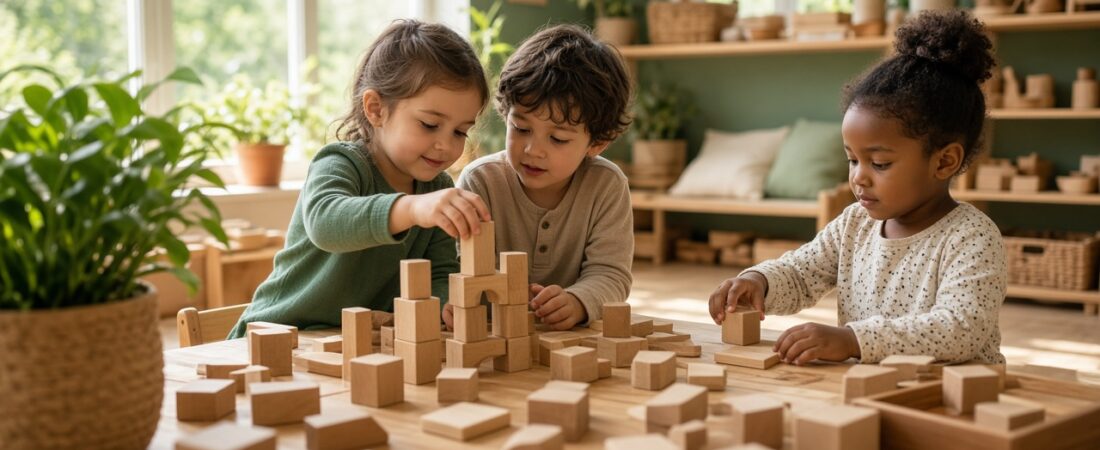
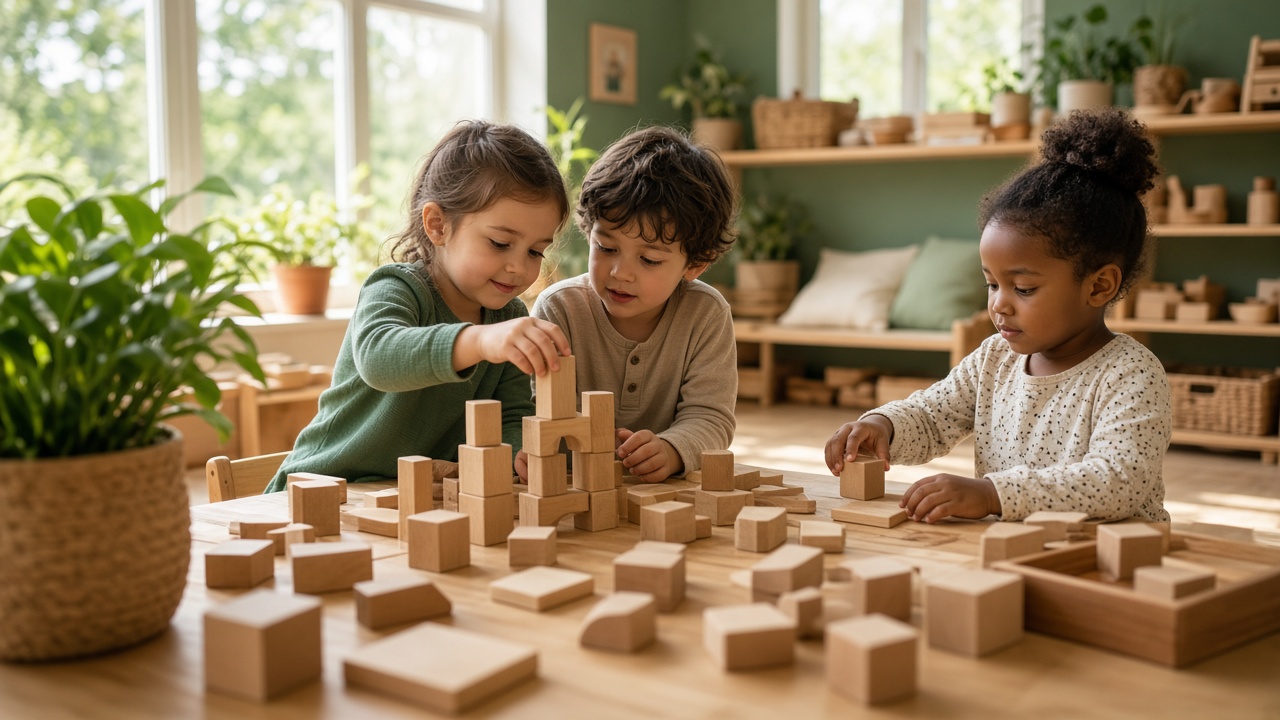
Many modern systems prioritize test scores and curriculum speed. Froebel places process at the center: children observe, try, fail safely, and discover meaning. Through structured play, children learn form, space, pattern, and cooperation without forced early rote memorization. The outcome is lasting curiosity and confidence.
Three pillars at Institut Froebel
Holistic development. Cognitive, emotional, social, and motor growth advance together. Arts, music, sport, and group work are routine.
A safe and warm environment. Managed ratios and emotionally present teachers help children feel safe enough to experiment.
Partnership with families. Parents are partners. Regular communication aligns values between home and school.
From early childhood to later schooling
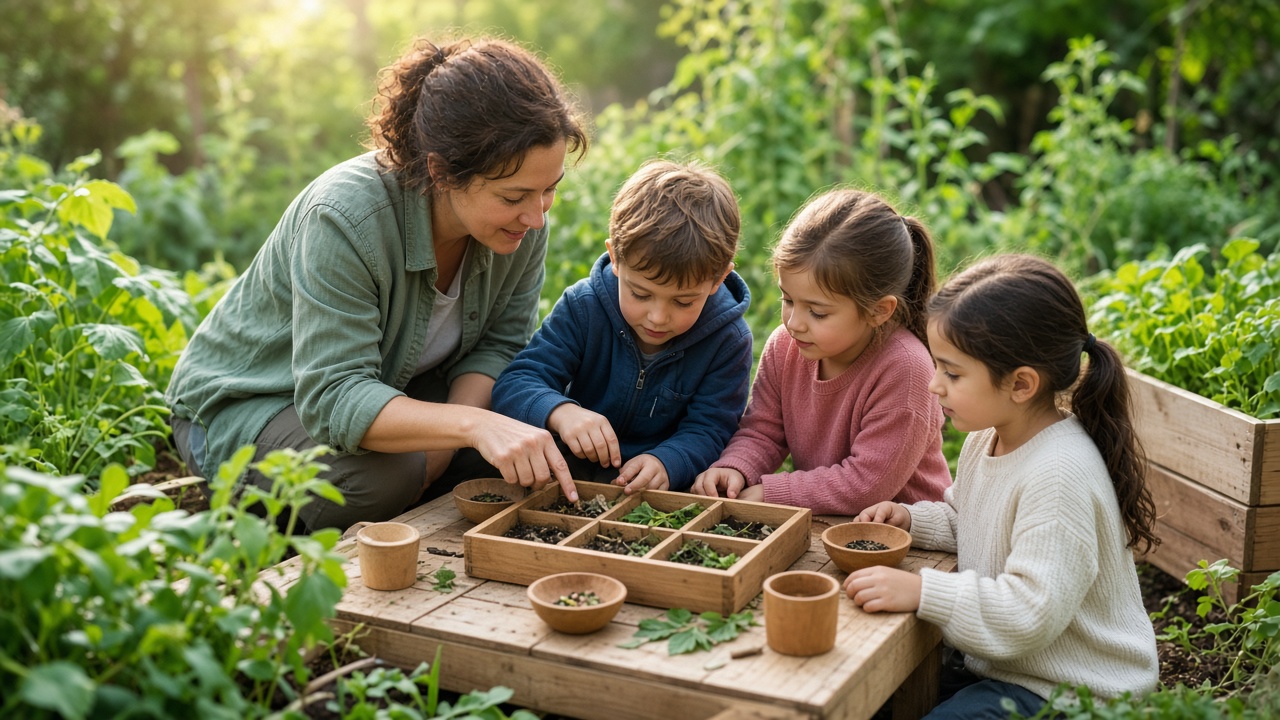
Early years focus on safety, language, and sensory exploration. Primary years structure knowledge through meaningful reading, numeracy, and projects. Later stages build critical thinking and responsibility with human guidance.
Conclusion
Institut Froebel renews child-centered education: academically strong without sacrificing wellbeing. Families seeking balance between rigor, care, and exploration will find a timeless yet contemporary framework in the Froebel approach.